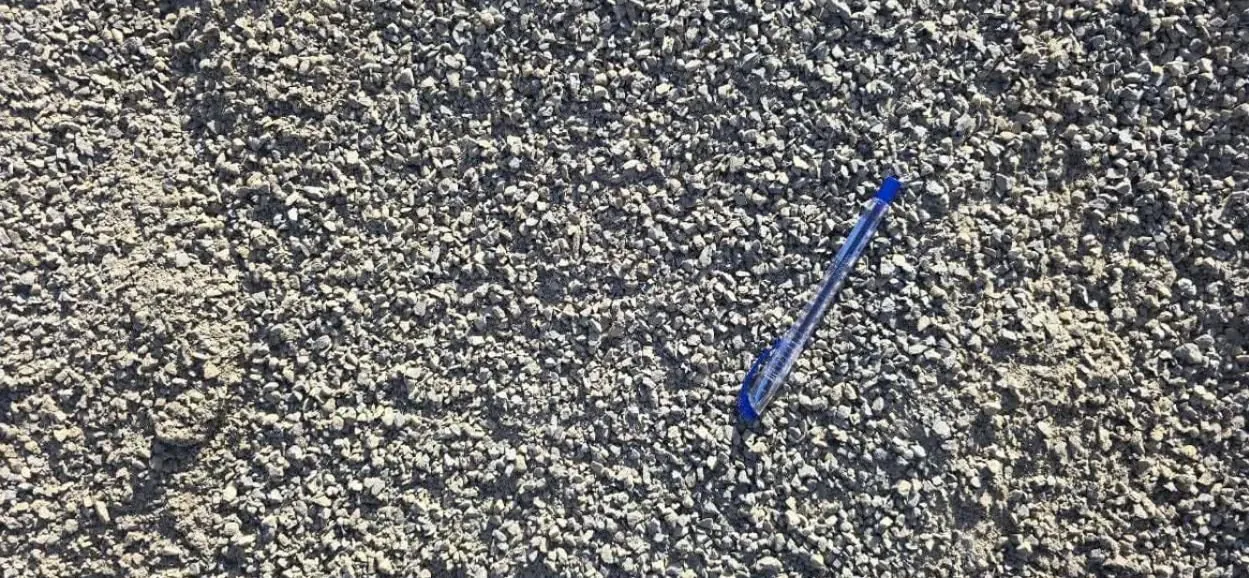
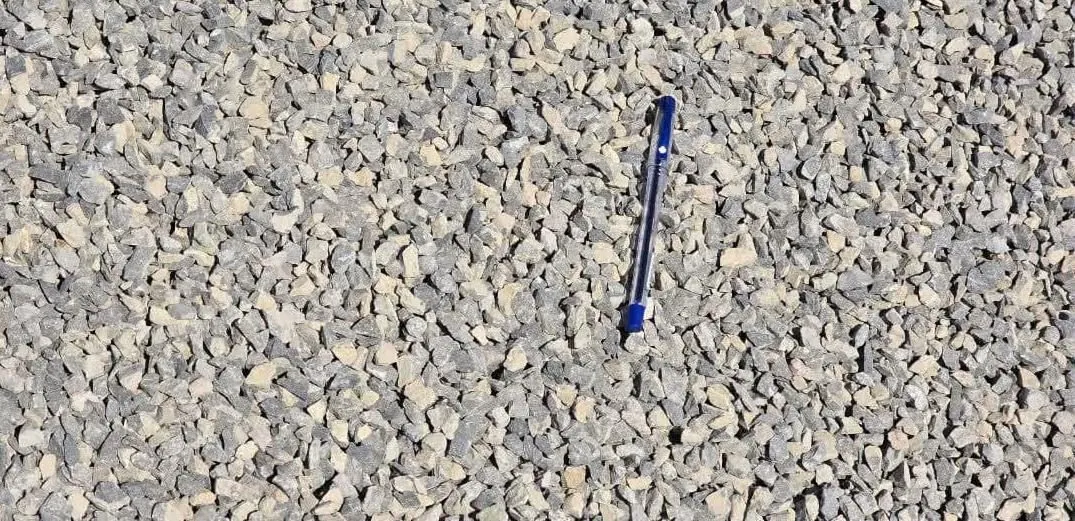
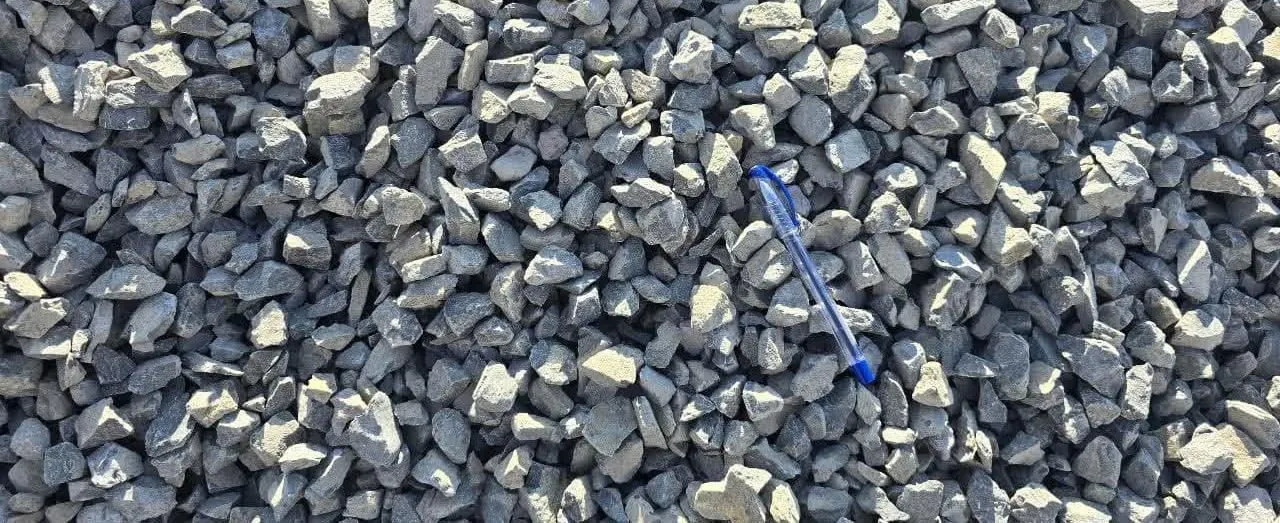
Sand is the fine aggregate produced when andesite is crushed and screened — the fraction below about 6 mm. Because it is crushed rather than river-run, the grains are angular with fresh fractured faces, which improves the bond in concrete and mortar. At Nangerd it is produced from the same hard, low-absorption andesite as the ballast.
Applications
- Fine aggregate for structural and mass concrete
- Sand–cement mortar for brickwork, mosaic and tiling
- Plaster and masonry sand
- Fine aggregate for asphalt mixes
- Pipe bedding and non-calcareous cover sand for utilities
- Blinding and moisture-break layers under floors
Quality Requirements
Aggregate sand must be clean and durable. It should be free of clay, silt and other fines, must not contain gypsum, anhydrite or other sulfates, and must be free of salts that attack steel — the last point matters especially in reinforced concrete. The stone should be sound (not friable or partly weathered), resistant to heat, cold and freeze–thaw, and resistant to abrasion and impact. Nangerd sand is screened from crushed andesite to keep it clean and consistent.
Production
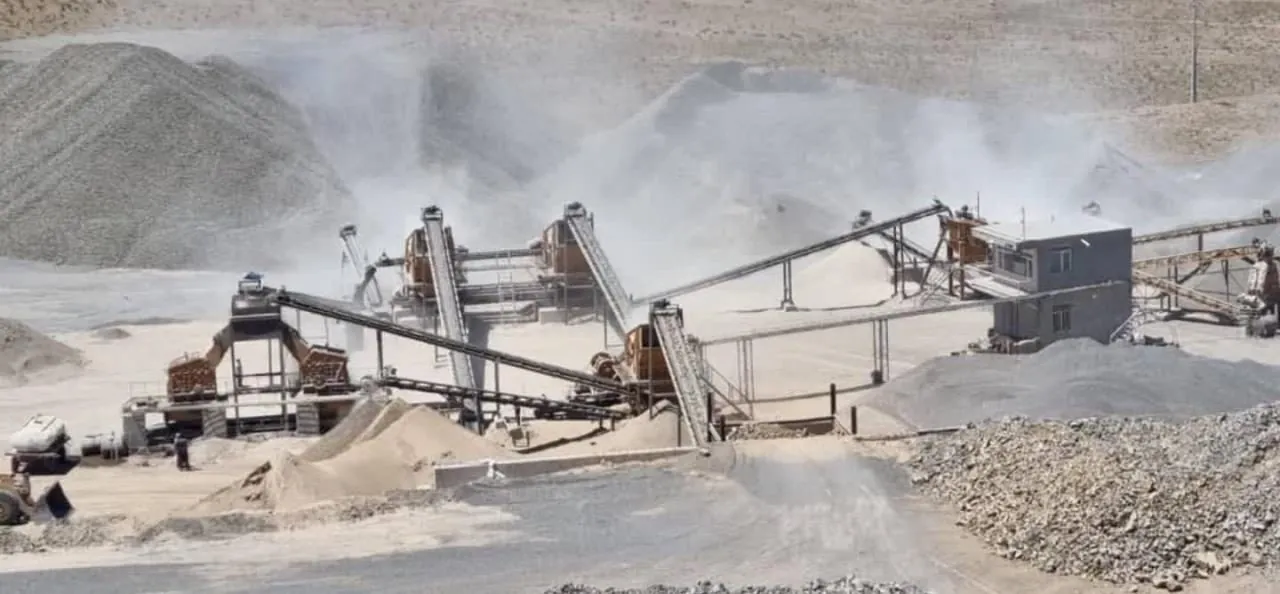
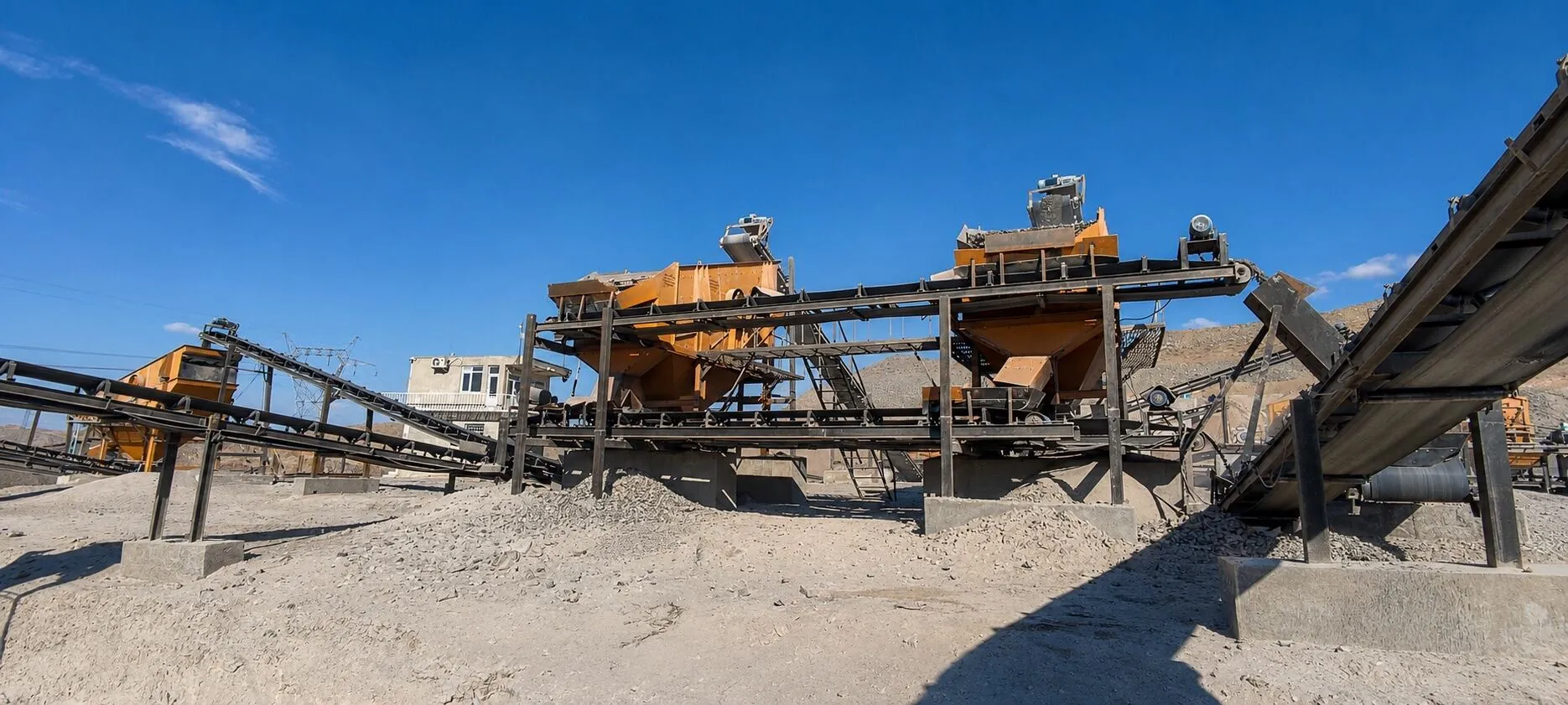
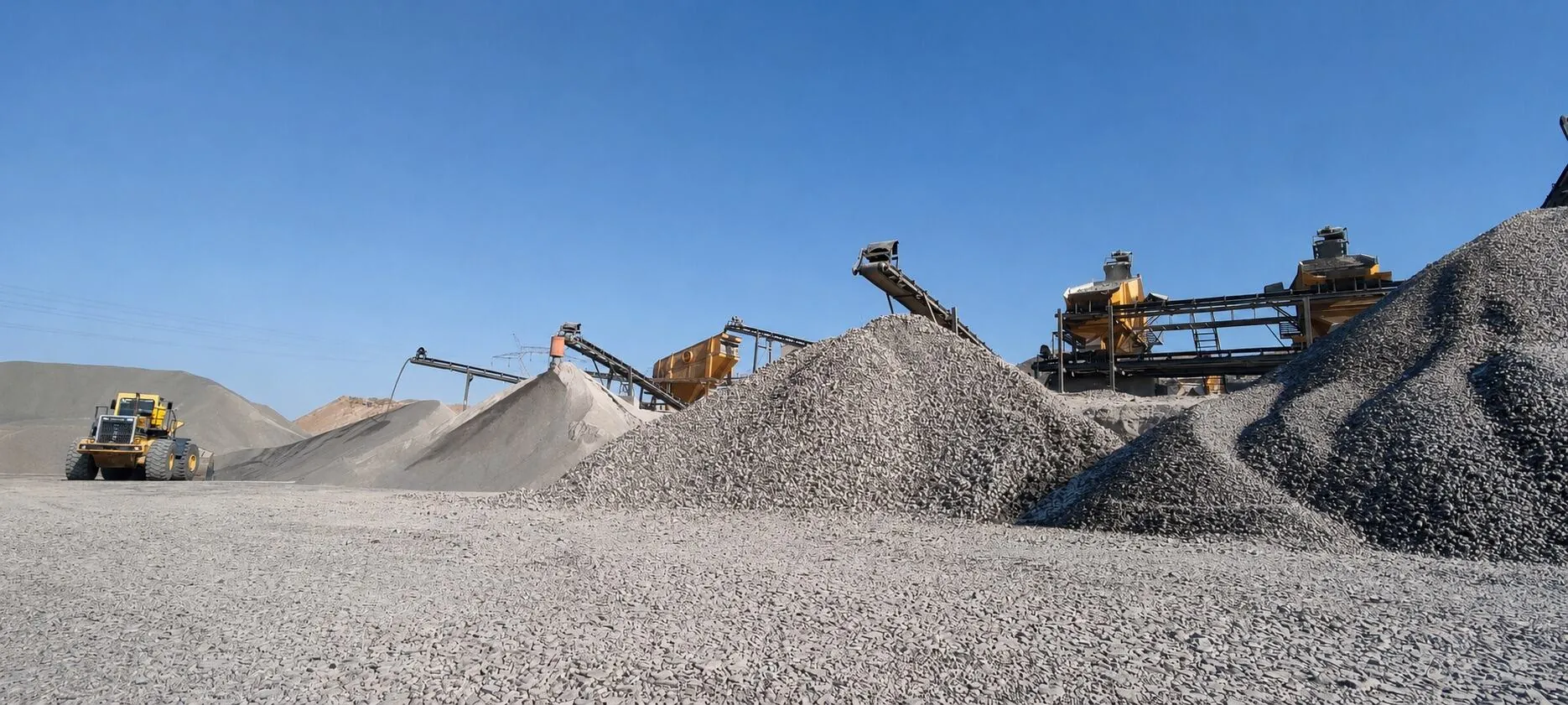
- Crushing of extracted andesite (jaw then impact)
- Screening to the sand fraction (< 6 mm)
- Removal of clay, silt and fines
- Stockpiling and loading