Published by Nangerd Ballast Mine · Updated: 21 Oct 2026
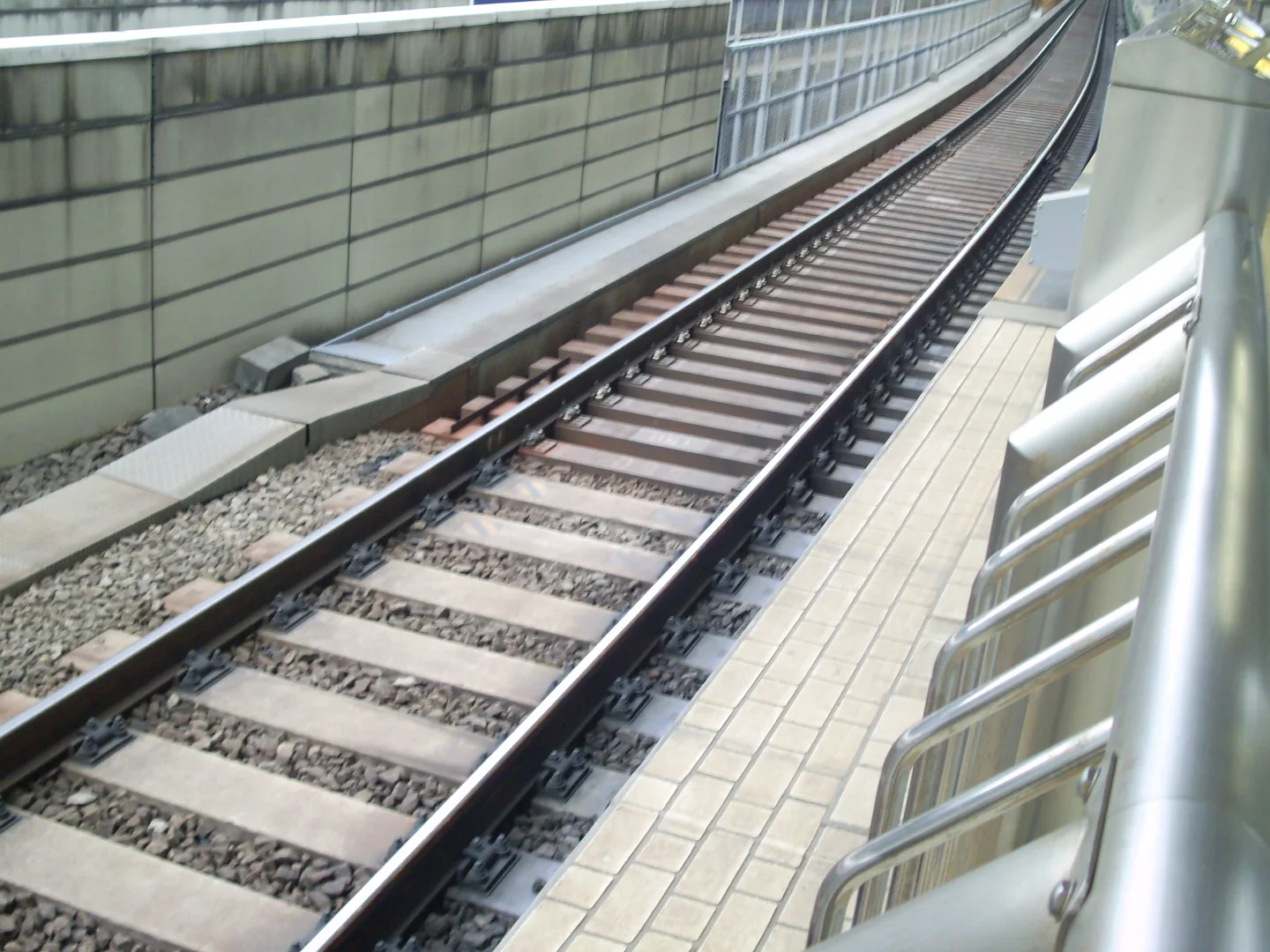
Photo: Dr.yellow · CC BY-SA 4.0 · Resized and converted to WebP; composition and content unchanged.
English overview
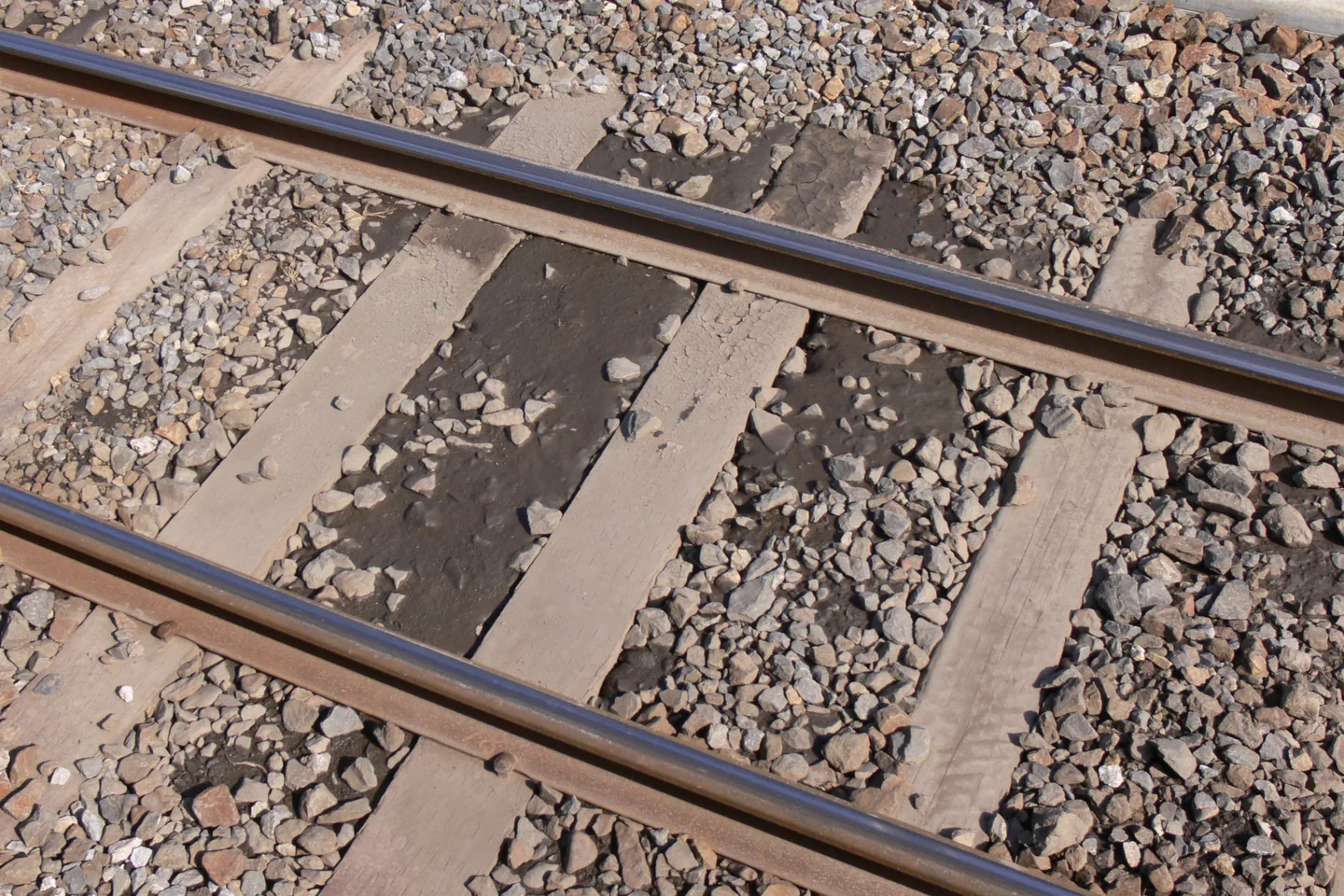
Railway drainage manages water entering, moving through and leaving the track environment. Clean ballast provides connected spaces between particles, but these spaces are only part of the drainage route. Formation layers, crossfalls, channels, subsurface drains and effective outlets must work together.
Fines can come from particle degradation, surrounding ground, the formation or transported materials. Their composition and moisture condition matter, so a dirty appearance alone does not identify the cause. Water absorption of individual aggregate particles is also different from drainage through a bulk ballast layer. Neither a low absorption value nor a clean surface demonstrates the performance of an entire drainage system.
The Persian guide follows water sources, interfaces, filters, outlets, inspection evidence and maintenance logic. Hypothetical cases distinguish symptom removal from correction of a persistent cause. It does not prescribe universal drain dimensions or operational procedures. Project-specific design, records and authorised railway maintenance rules govern assessment and intervention.