Published by Nangerd Ballast Mine · Updated: 21 Oct 2026
Different mechanisms can produce similar symptoms
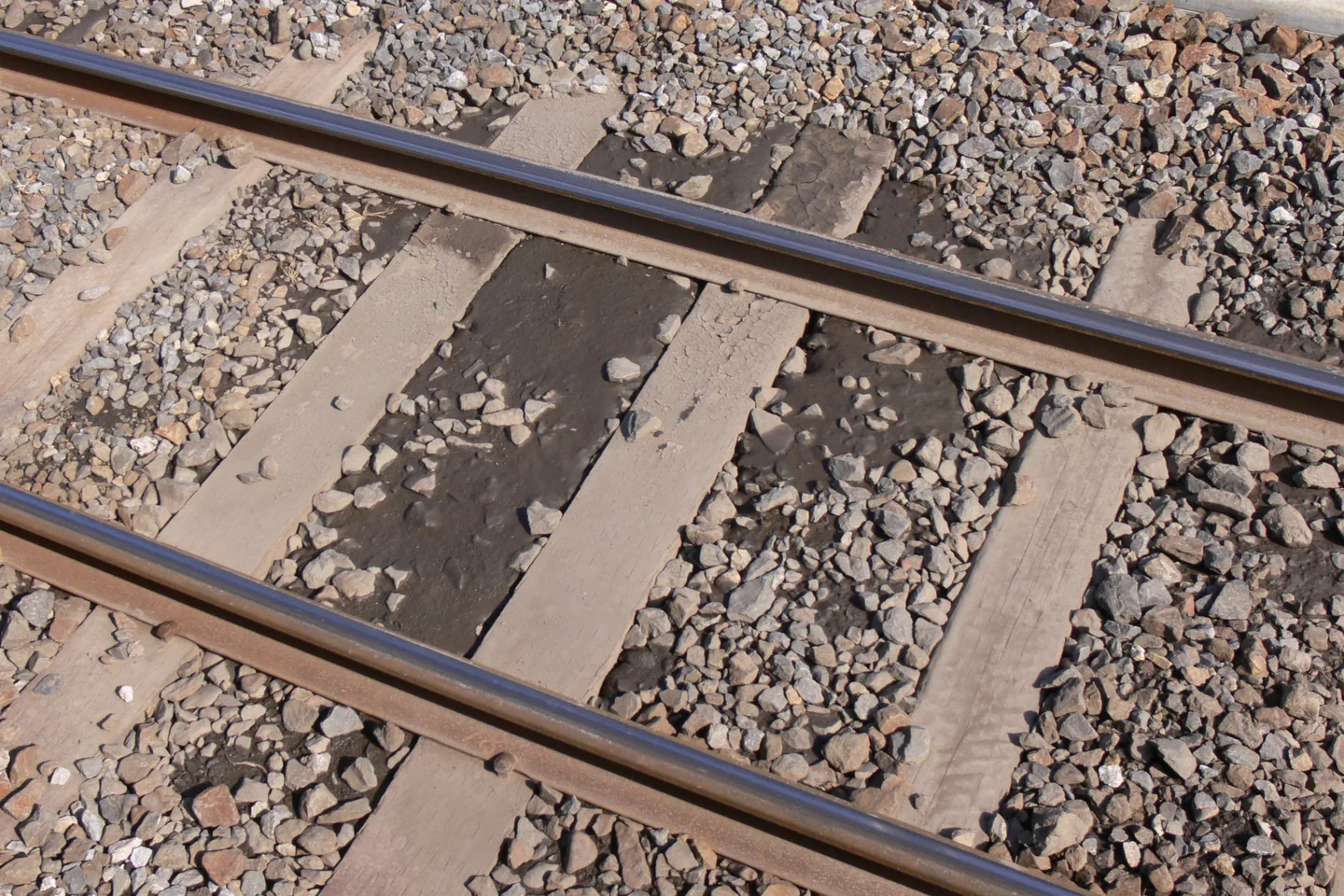
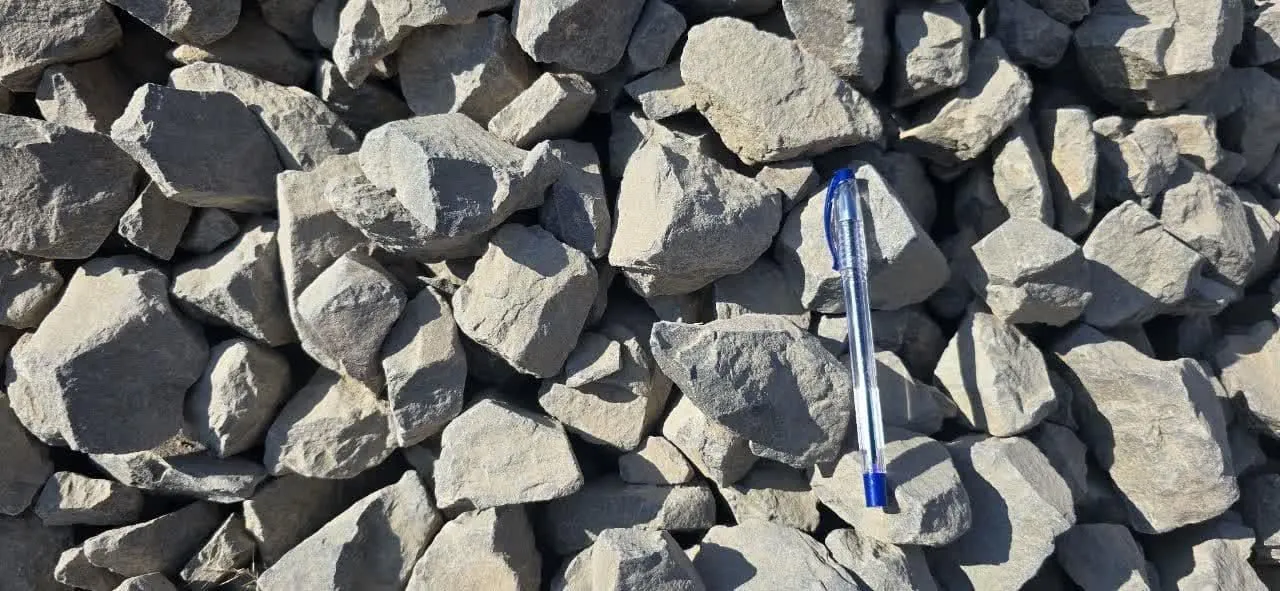
Ballast deterioration can involve abrasion, corner loss, major particle fracture and changes in the arrangement of the granular bed. Fine material may also enter from the formation, adjacent ground or transported materials, so not all fouling demonstrates breakdown of the original stone. Source-rock condition, particle shape, grading, repeated loading, sleeper support, drainage and environmental exposure interact. Settlement can arise from re-compaction as well as particle deterioration; it should not automatically be labelled crushing. Laboratory resistance tests provide useful indices under defined conditions, but they do not predict a universal service life. Investigation benefits from identified samples, comparable methods, geometry records, water observations and maintenance history. The Persian guide uses clearly hypothetical examples to separate mechanisms and explains why a maintenance response should address the cause rather than only the visible symptom. Operational decisions remain subject to applicable railway rules and authorised engineering assessment.