Published by Nangerd Ballast Mine · Updated: 21 Oct 2026
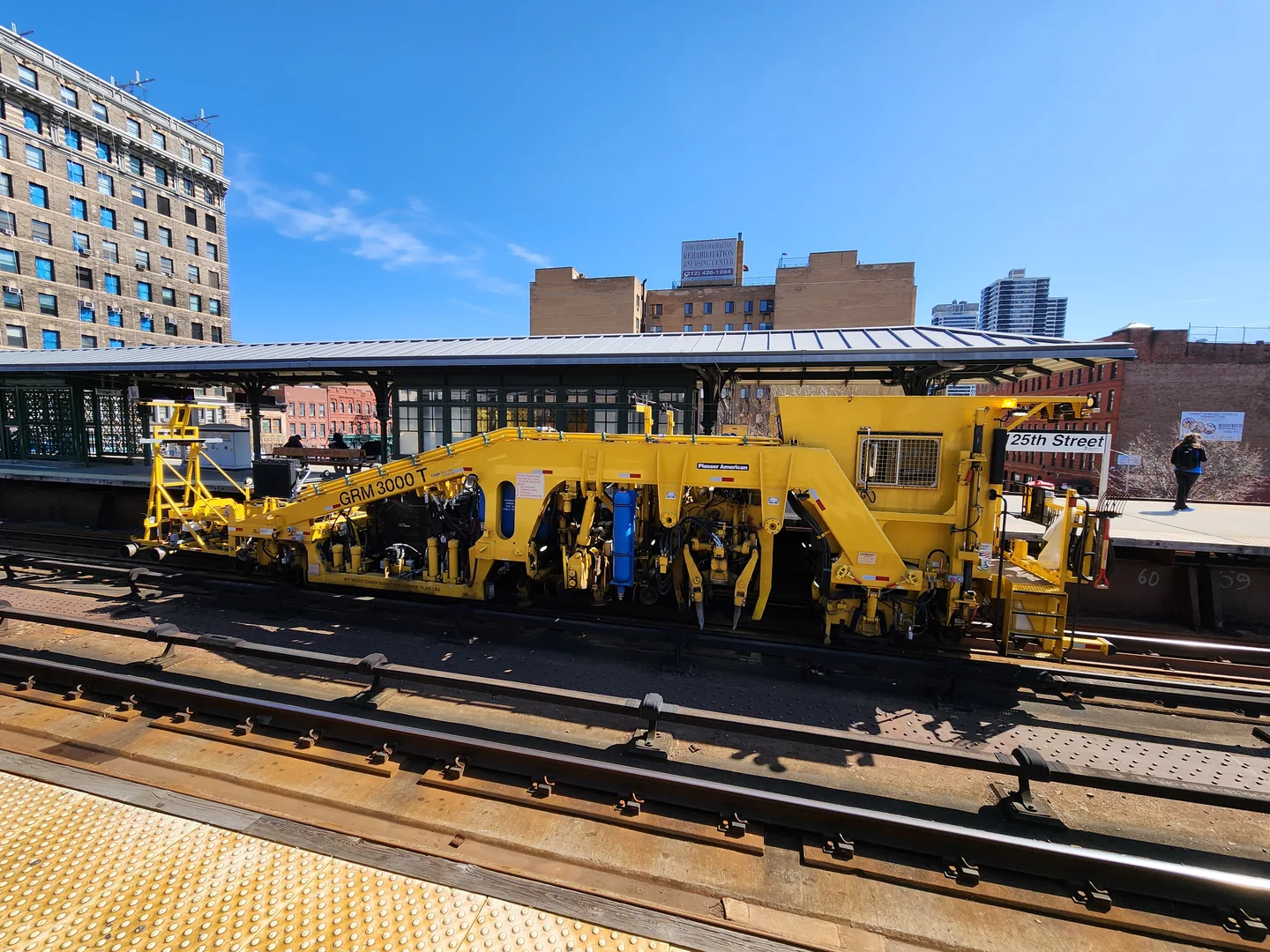
Photo: Skye McDavid · CC BY 4.0 · Resized and converted to WebP; composition and content unchanged.
Technical overview
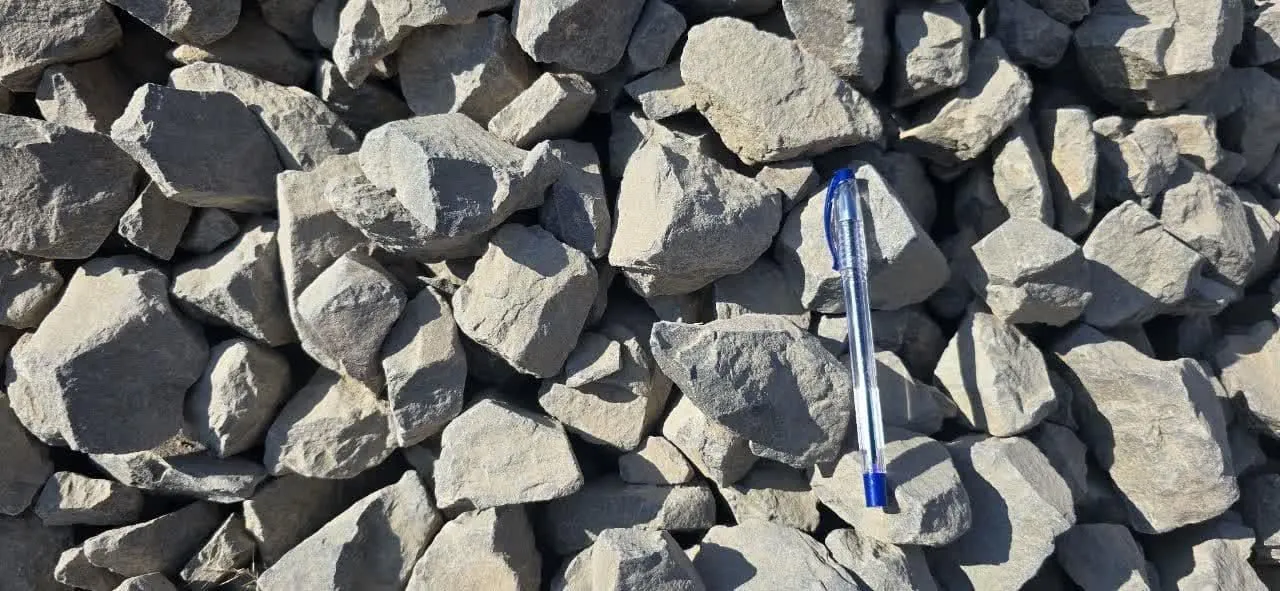
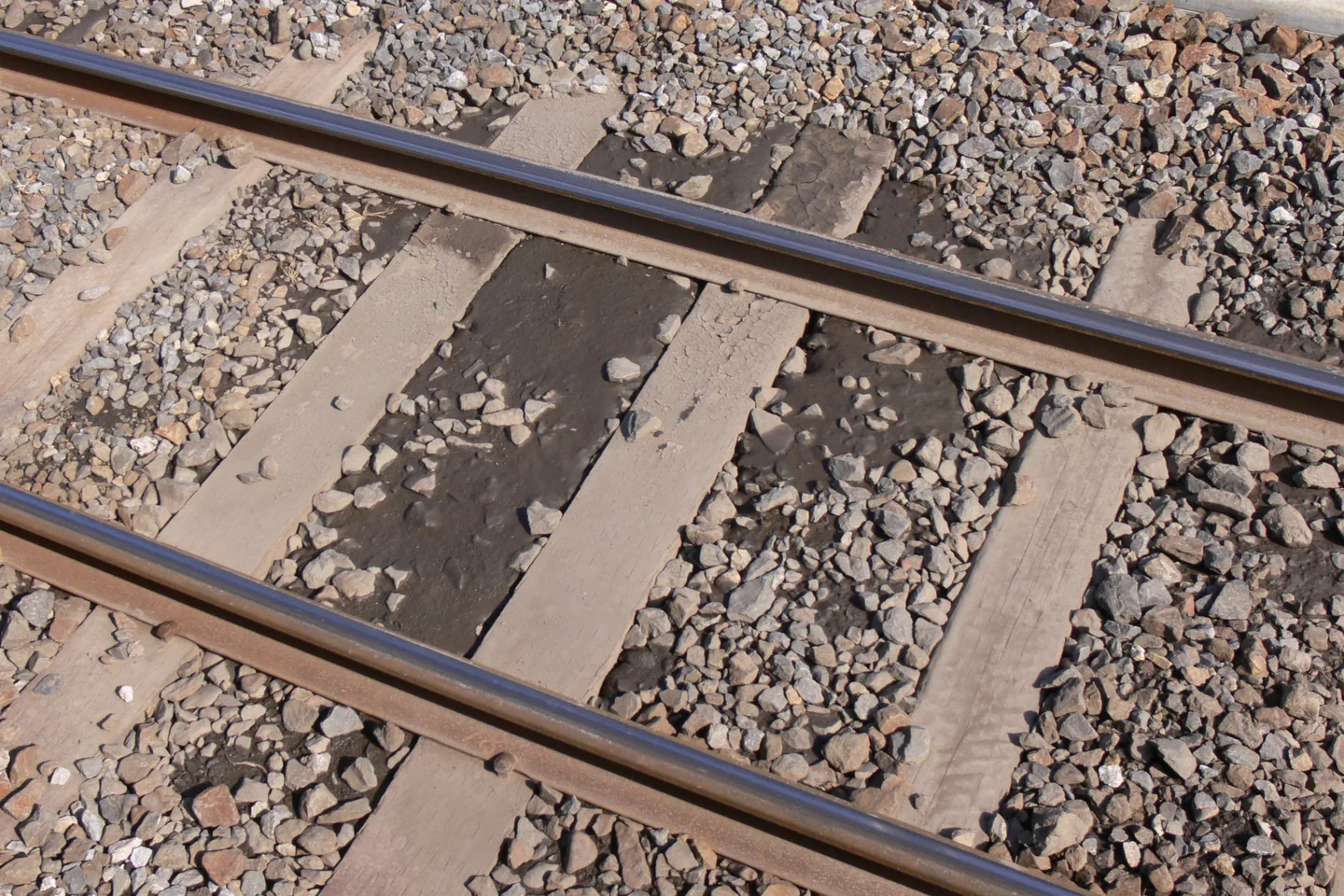
Tamping is a maintenance and construction operation used on ballasted railway track to improve sleeper support and restore the intended track geometry. A tamper combines measurement, lifting and lining functions with tools that rearrange ballast beneath the sleepers. The operation is not equivalent to cleaning ballast, adding stone indiscriminately or repairing every formation defect. Survey information, the condition of rails and sleepers, ballast availability, drainage and the underlying cause of geometry deterioration all matter. Some machines are designed for plain line, while others can treat switches and crossings. Ballast regulation, dynamic stabilisation and stoneblowing are related but distinct processes. This Persian guide follows the engineering workflow from identifying a problem to recording and evaluating the result. It describes functions without publishing machine settings, reopening speeds or unauthorised operating instructions. Applicable railway rules, project requirements and competent personnel determine the actual work and handback conditions.