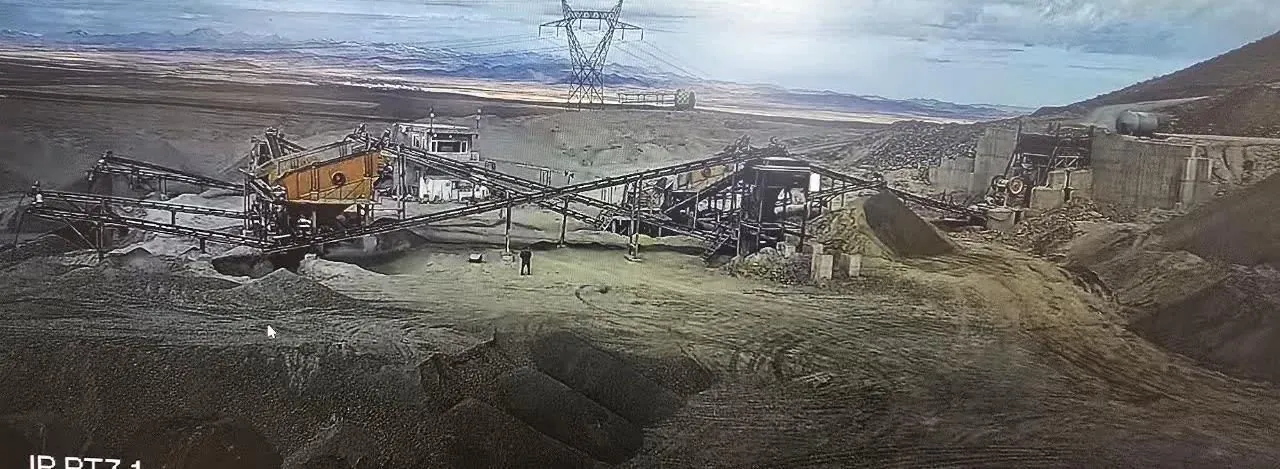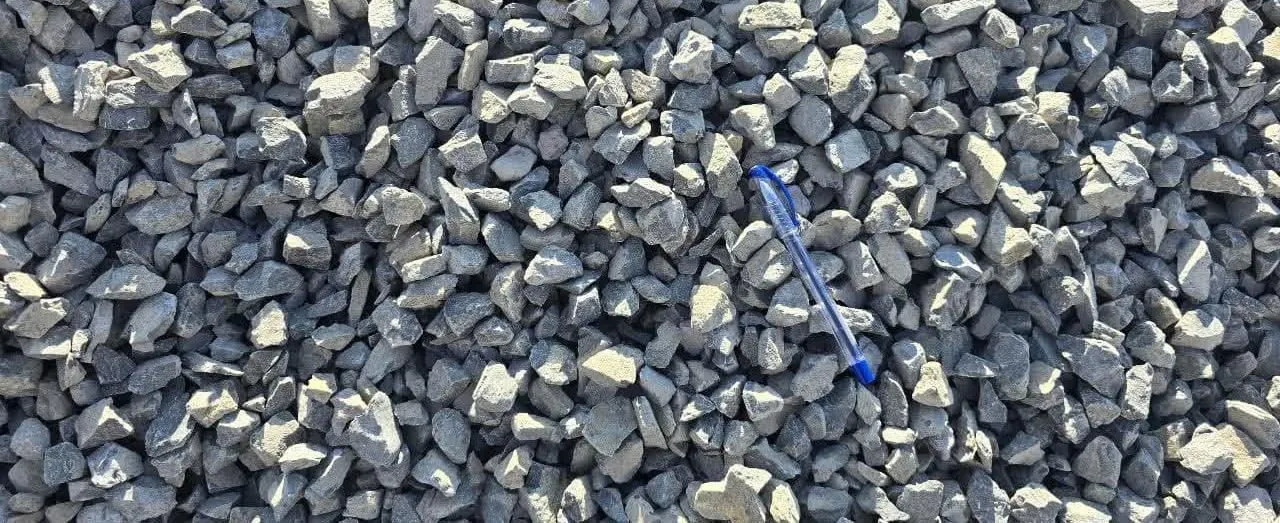
Published by Nangerd Ballast Mine · Updated: 20 Oct 2026
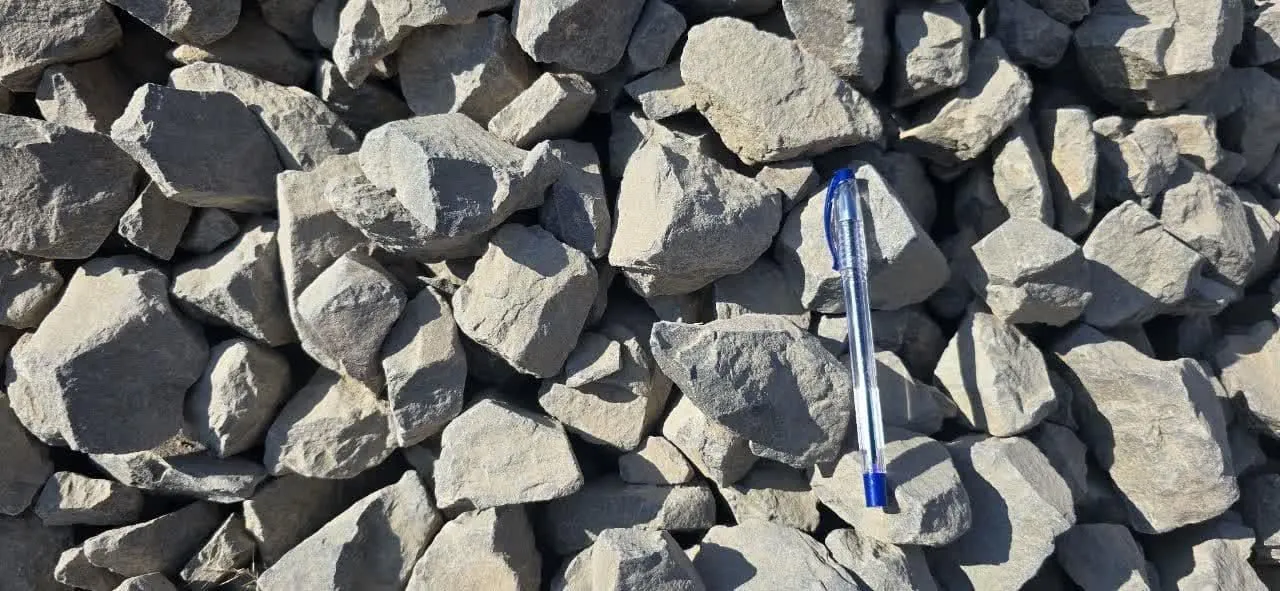
Follow the load through the track
A conventional ballasted track comprises rails, fastening systems, sleepers, ballast and the designed supporting layers above the formation. Each component contributes to the load path. Ballast provides adjustable sleeper support; sub-ballast can contribute to distribution, separation and formation protection, depending on the design.
Follow the water as well
Drainage crosses layer boundaries and needs a suitable outlet. Changes in ground conditions or support stiffness require attention beyond a simple uniform cross-section. Layer thicknesses, material criteria and construction checks are project-specific. A schematic teaches component order; it is not a construction drawing. The full Persian article discusses track transitions, evidence and quality-control boundaries.