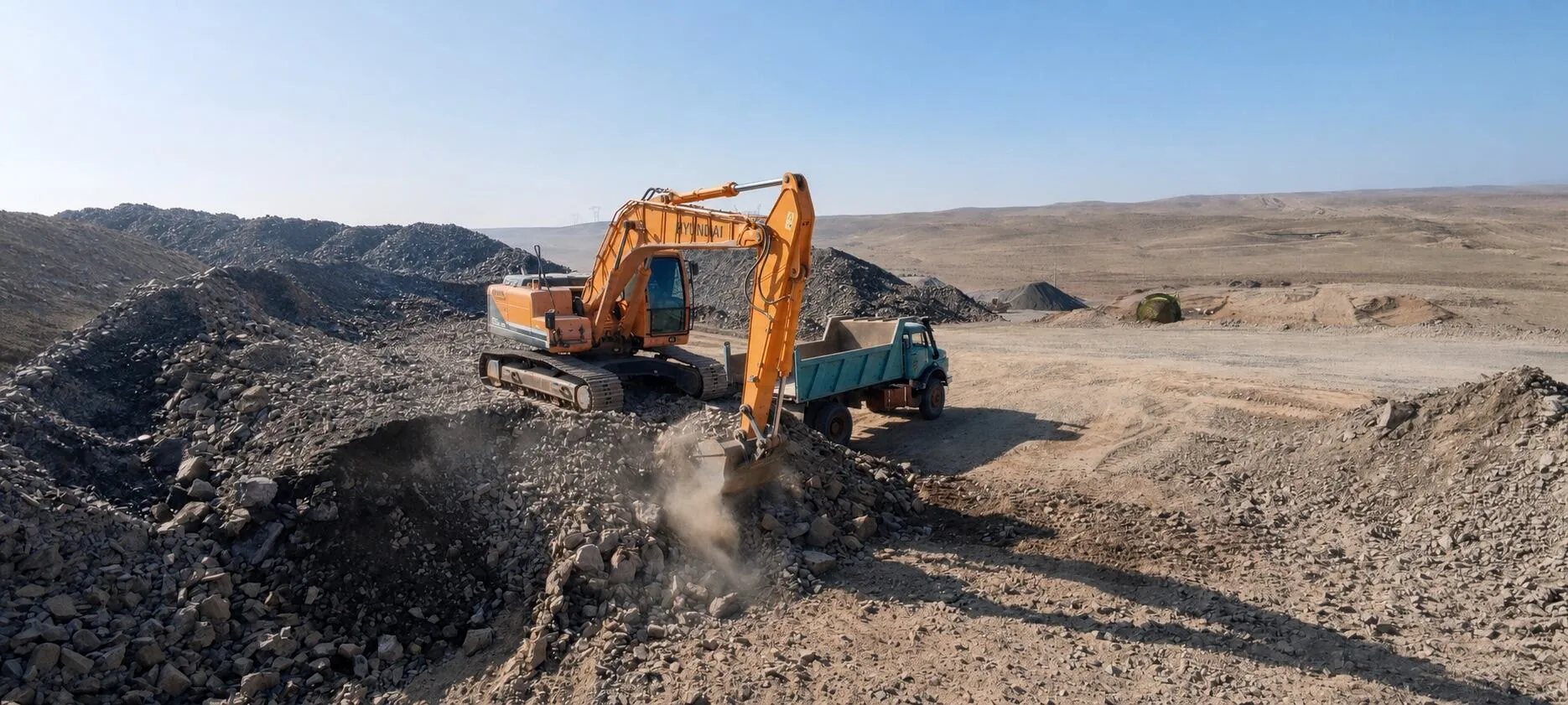
Published by Nangerd Ballast Mine · Updated: 21 Oct 2026
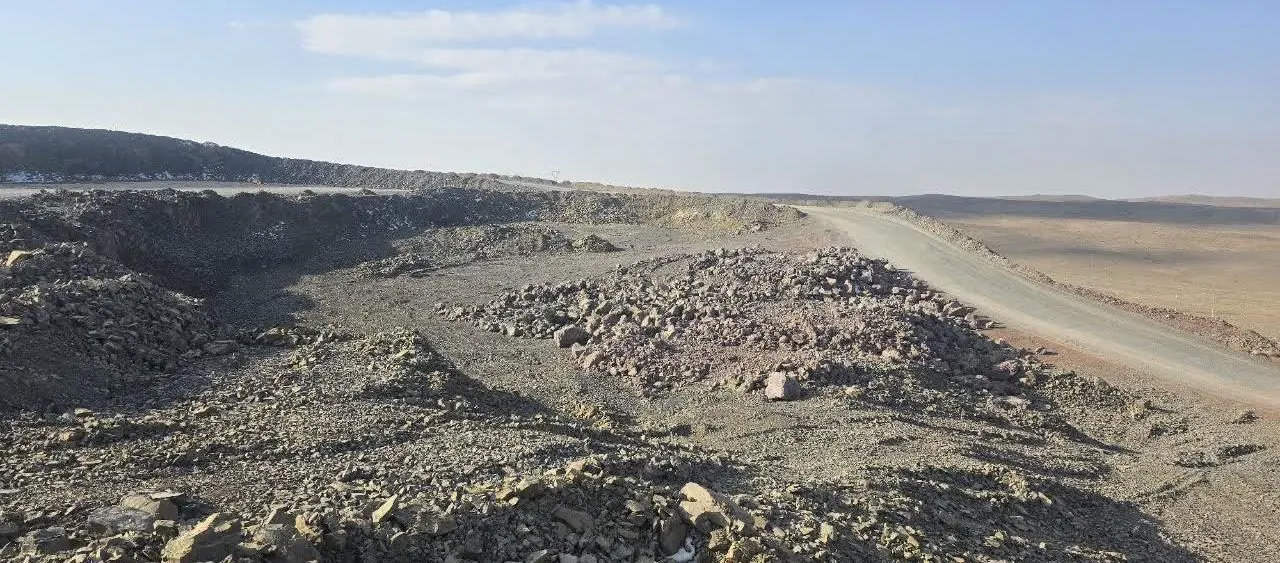
English overview
Andesite and basalt are volcanic rocks with different compositional identities, but their engineering performance cannot be ranked by name alone. Basalt is generally more mafic, whereas andesite is intermediate; colour and visible crystals can overlap. Basaltic andesite also illustrates why the transition is not a simple visual boundary. This guide compares texture, mineral fabric, pores, weathering and alteration before considering finished aggregates. It distinguishes silica as a chemical component from free quartz and explains why density, absorption, strength and durability require separate measurements. Hypothetical comparisons show how a dense sound sample and an altered or vesicular sample can behave differently even within one named rock group. Ballast and concrete aggregate have application-specific requirements, so neither rock family is automatically suitable for every use. Representative sampling, comparable methods and clear product identity provide a more defensible comparison than darkness, a single test or a photograph. The Persian article includes practical questions for reading geological and laboratory evidence.
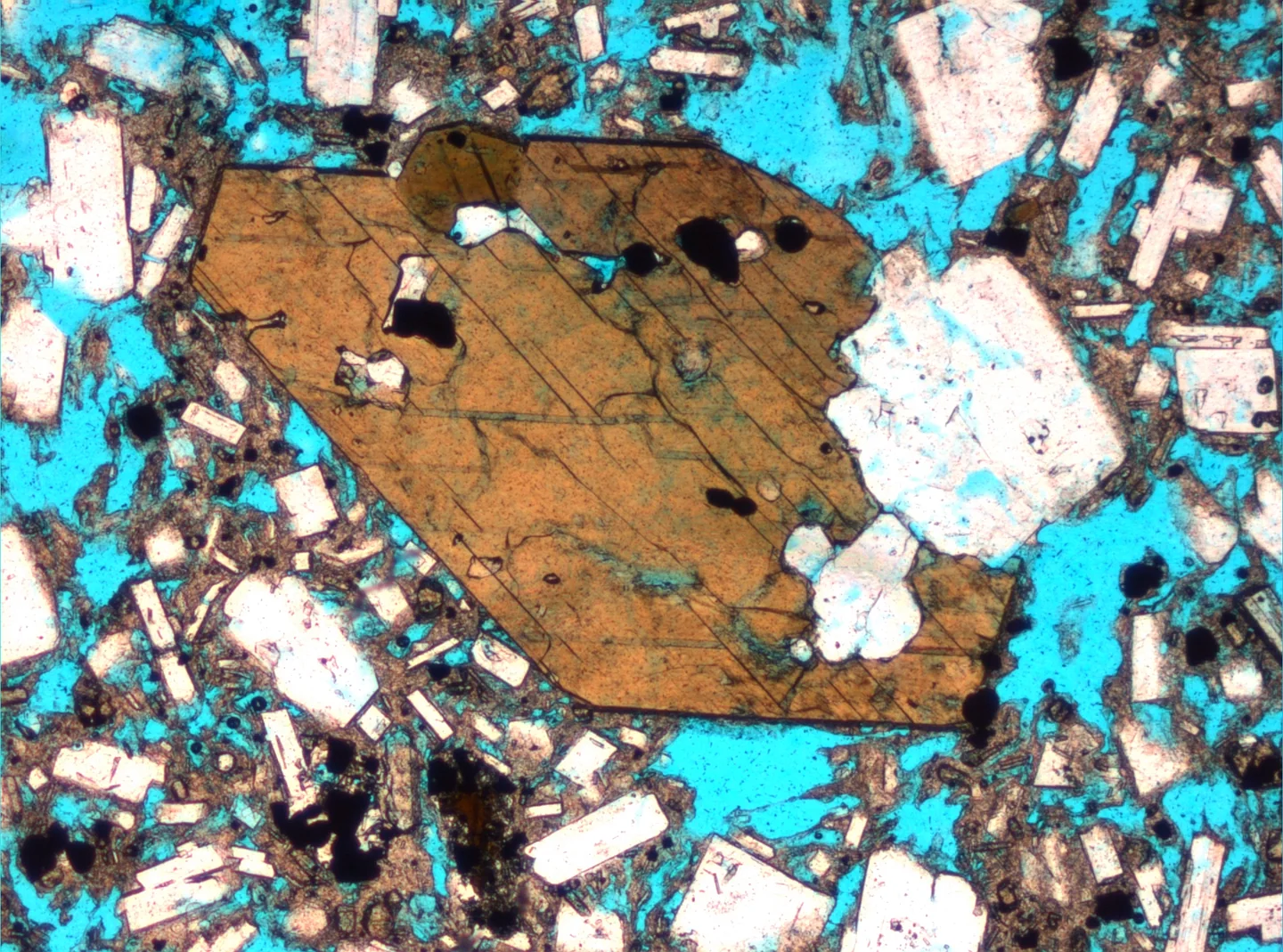
Photo: Cheryl Cameron / USGS · Public domain · Resized and converted to WebP; composition and content unchanged.