Published by Nangerd Ballast Mine · Updated: 21 Oct 2026
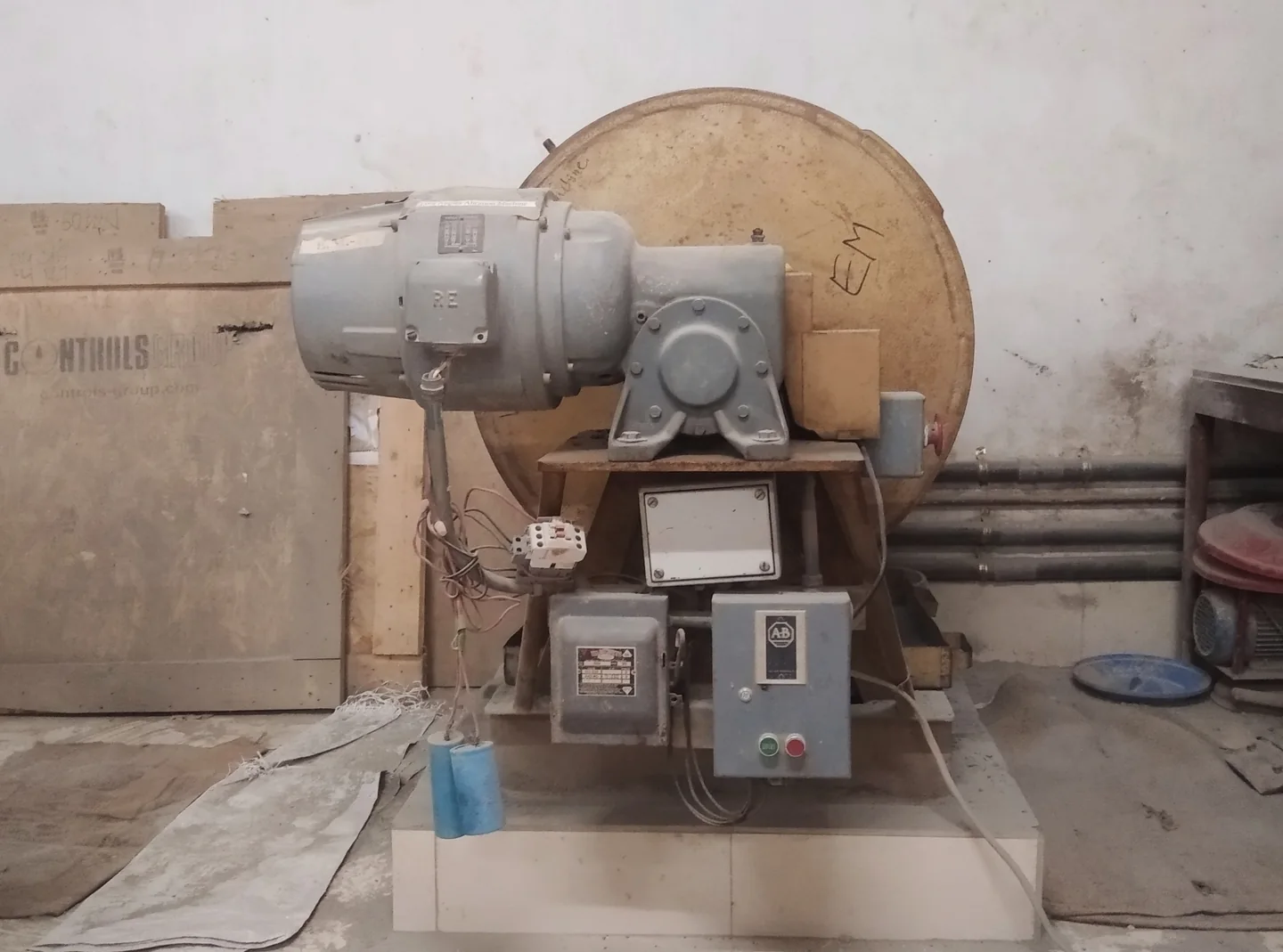
Photo: Tanvir Anjum Adib · CC BY-SA 4.0 · Resized and converted to WebP; composition and content unchanged.
Technical overview
The Los Angeles test evaluates aggregate resistance to degradation under a specified combination of abrasion and impact in a rotating drum. Its reported loss is a method-dependent index, not the percentage of stone guaranteed to fail in railway service. ASTM C131/C131M and C535 address different test configurations and size ranges; their numbers should not be treated as automatically interchangeable. The EN 1097-2 framework and a project’s Iranian reference must likewise be identified by edition and applicable procedure. This guide explains sample identity, grading, initial and retained mass, percentage-loss calculations, rounding and acceptance decisions without reproducing a standards protocol. A worked hypothetical example separates a measured result from an independently specified acceptance limit. The test complements, rather than replaces, particle-shape, cleanliness, absorption and other durability evidence. Representative sampling and traceability are essential when using a result to assess a production batch. Actual laboratory work must follow the authorised method and project documents.