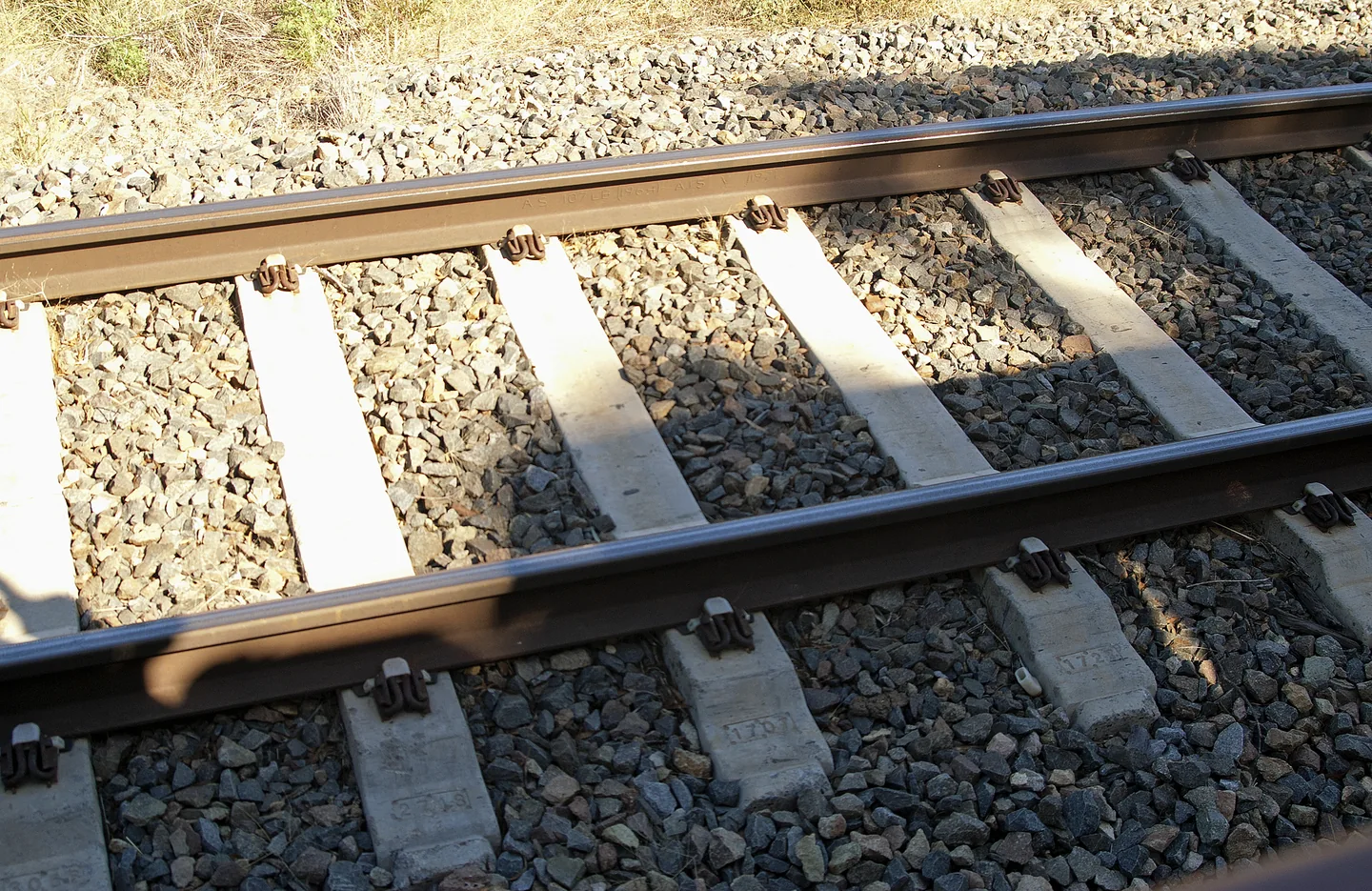
Published by Nangerd Ballast Mine · Updated: 21 Oct 2026
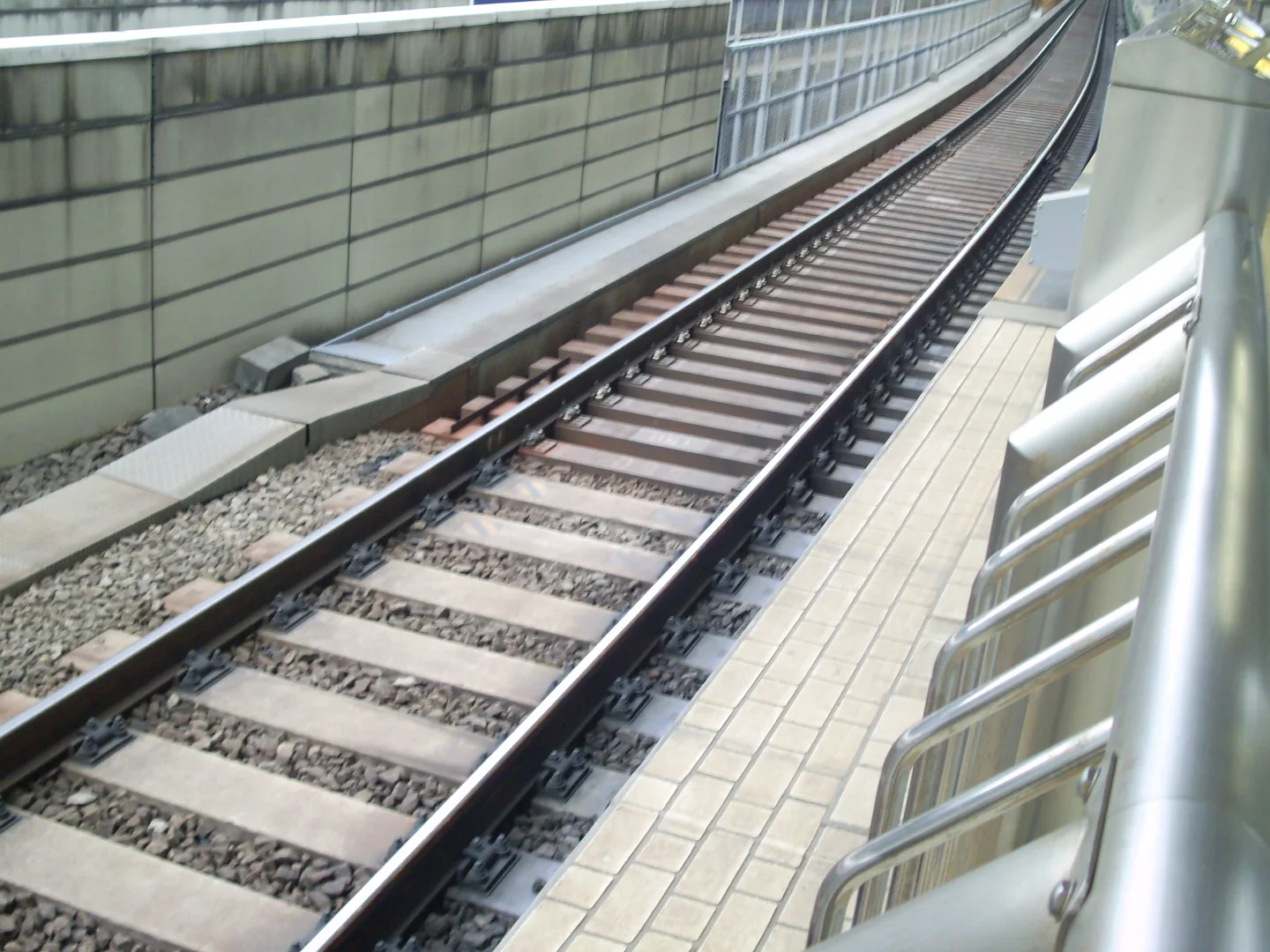
Photo: Dr.yellow · CC BY-SA 4.0 · Resized and converted to WebP; composition and content unchanged.
Technical overview
Ballasted and ballastless track perform related functions through different structural arrangements. In conventional ballasted track, sleepers rest on graded crushed stone; slab systems use a designed structural support and fastening arrangement instead of conventional ballast. The comparison must include the formation, drainage, stiffness transitions, inspection access and repair strategy, not simply the presence of concrete. An adjustable granular support offers maintenance options that differ from those of a slab. A slab does not eliminate the need for suitable ground or drainage, and ballast does not compensate automatically for weak formation. Project examples can illustrate a design choice without proving that one system is preferable everywhere. This Persian guide explains the load path, construction interfaces, geometry control, vibration considerations and evidence needed for a fair comparison. It avoids universal dimensions or operational limits: the governing project specifications and authorised railway engineering decisions remain essential.