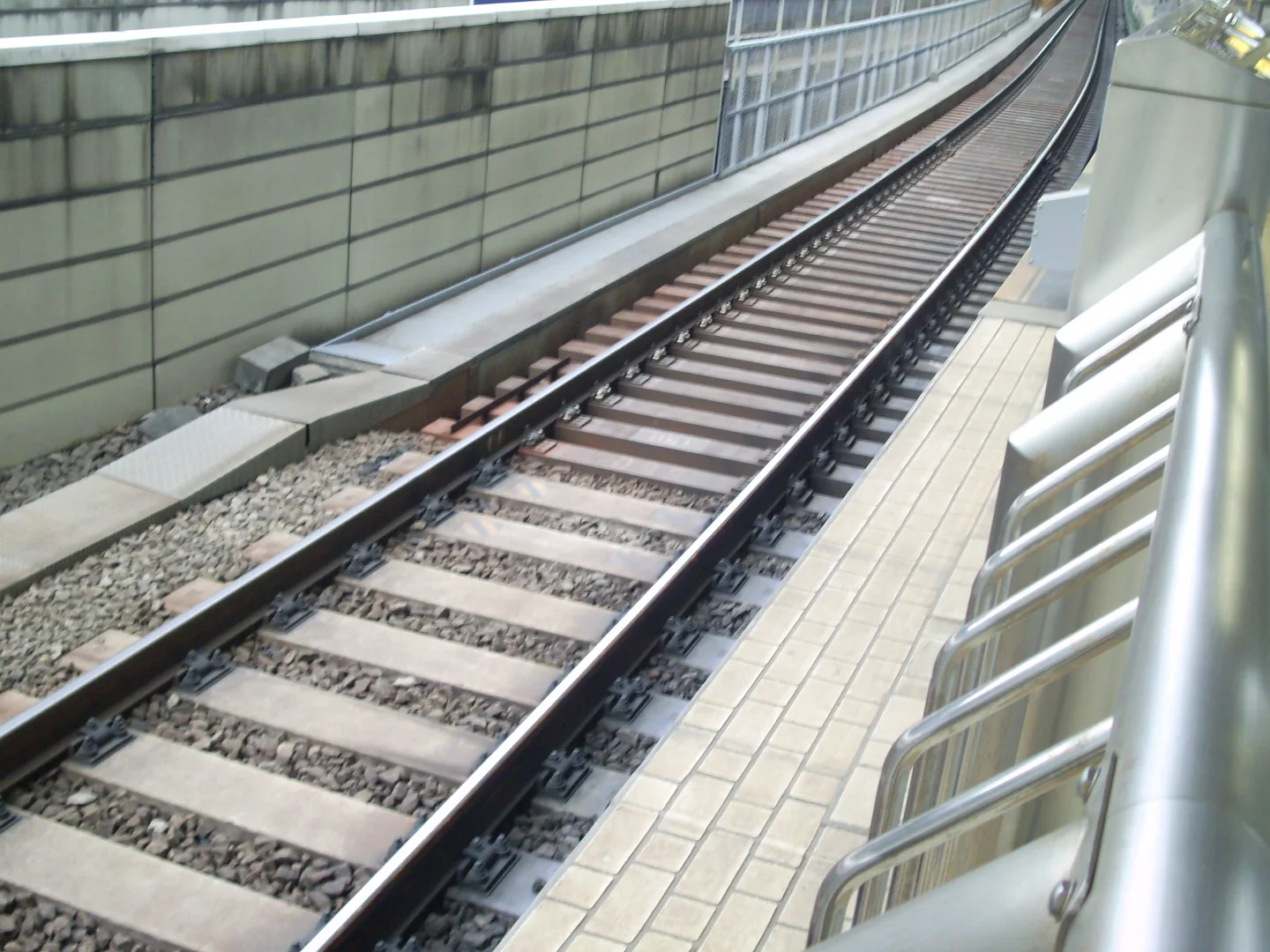
Published by Nangerd Ballast Mine · Updated: 21 Oct 2026
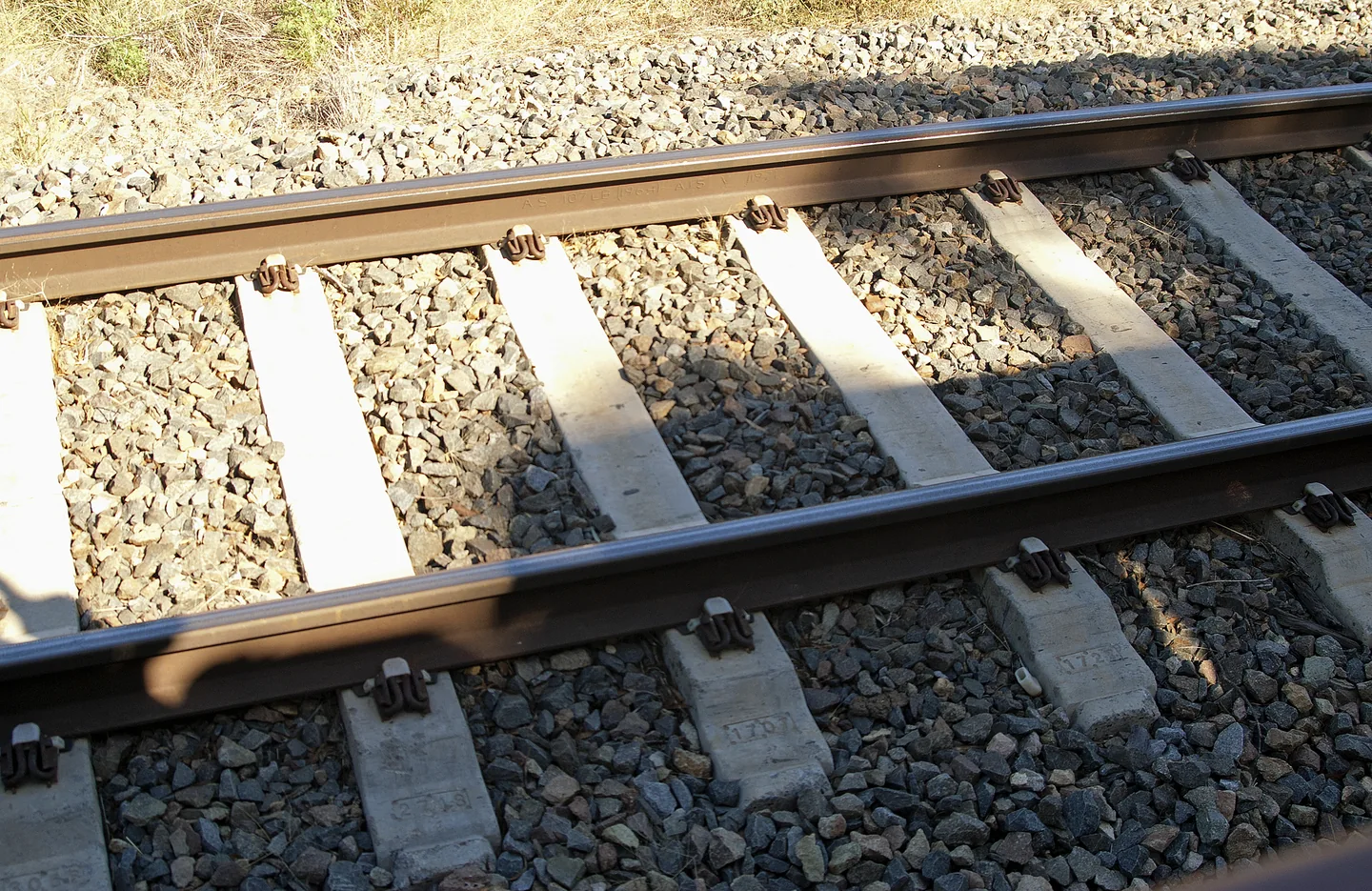
Photo: Bidgee · CC BY-SA 2.5 AU · Resized and converted to WebP; composition and content unchanged.
English overview
Railway construction begins long before rails are installed. Route selection, surveys, geotechnical investigation, earthworks, drainage and civil structures establish the conditions needed for a reliable track system. In ballasted construction, formation layers, ballast, sleepers, rails and compatible fastenings must work together rather than be accepted as unrelated items.
Construction sequences vary between a new railway, an additional track and renewal of an operating line. Material testing, field construction checks and system commissioning answer different questions. A good aggregate certificate cannot demonstrate that a layer was built correctly, and a visually straight rail does not demonstrate the condition of the hidden foundation.
The Persian article follows the process from initial needs and ground investigation through drainage, track installation, geometry control, interfaces with signalling and electrification, documentation and handover. It uses hypothetical examples to explain dependencies without prescribing operational procedures, universal layer dimensions or reopening conditions. Those decisions remain governed by the approved project design and railway rules.